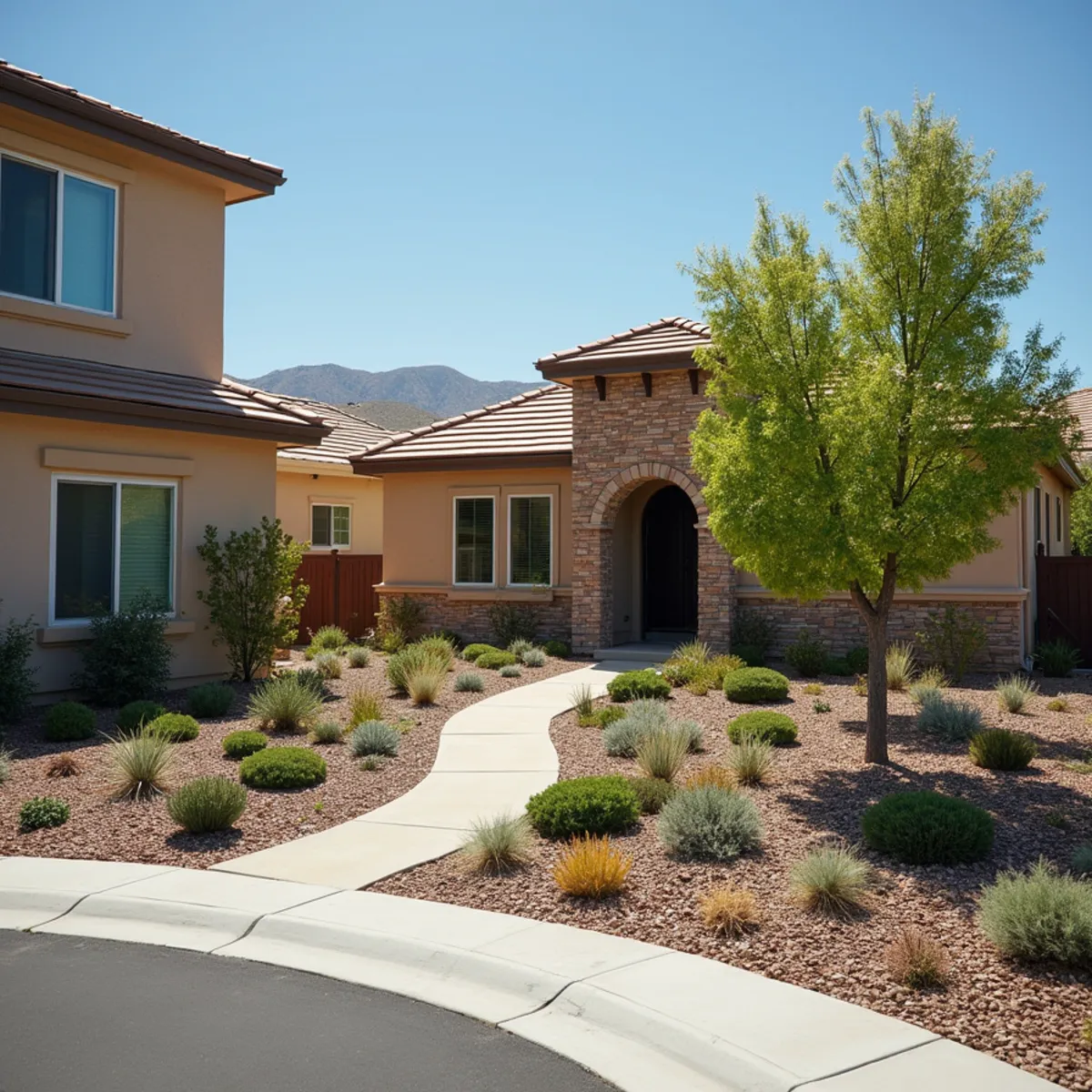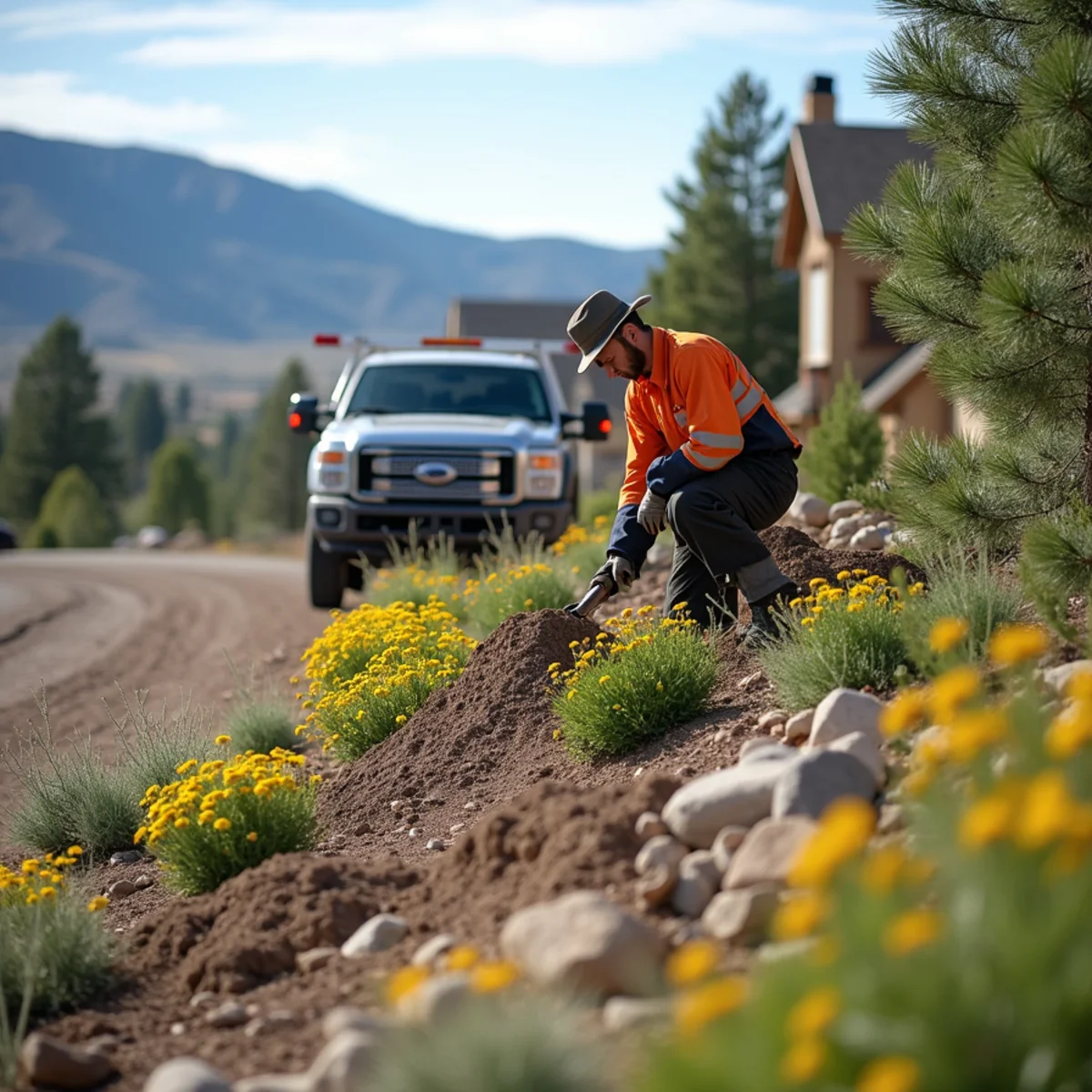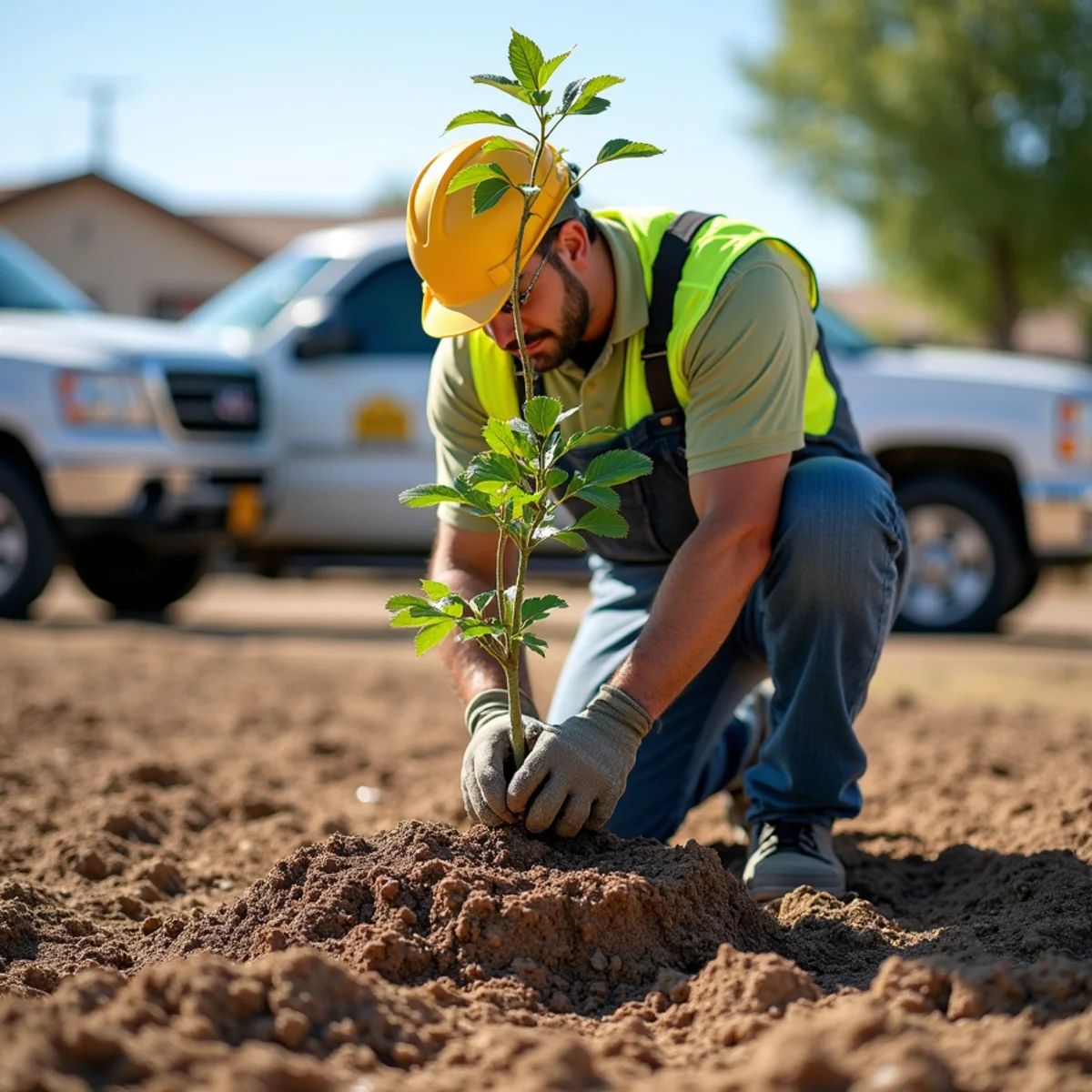
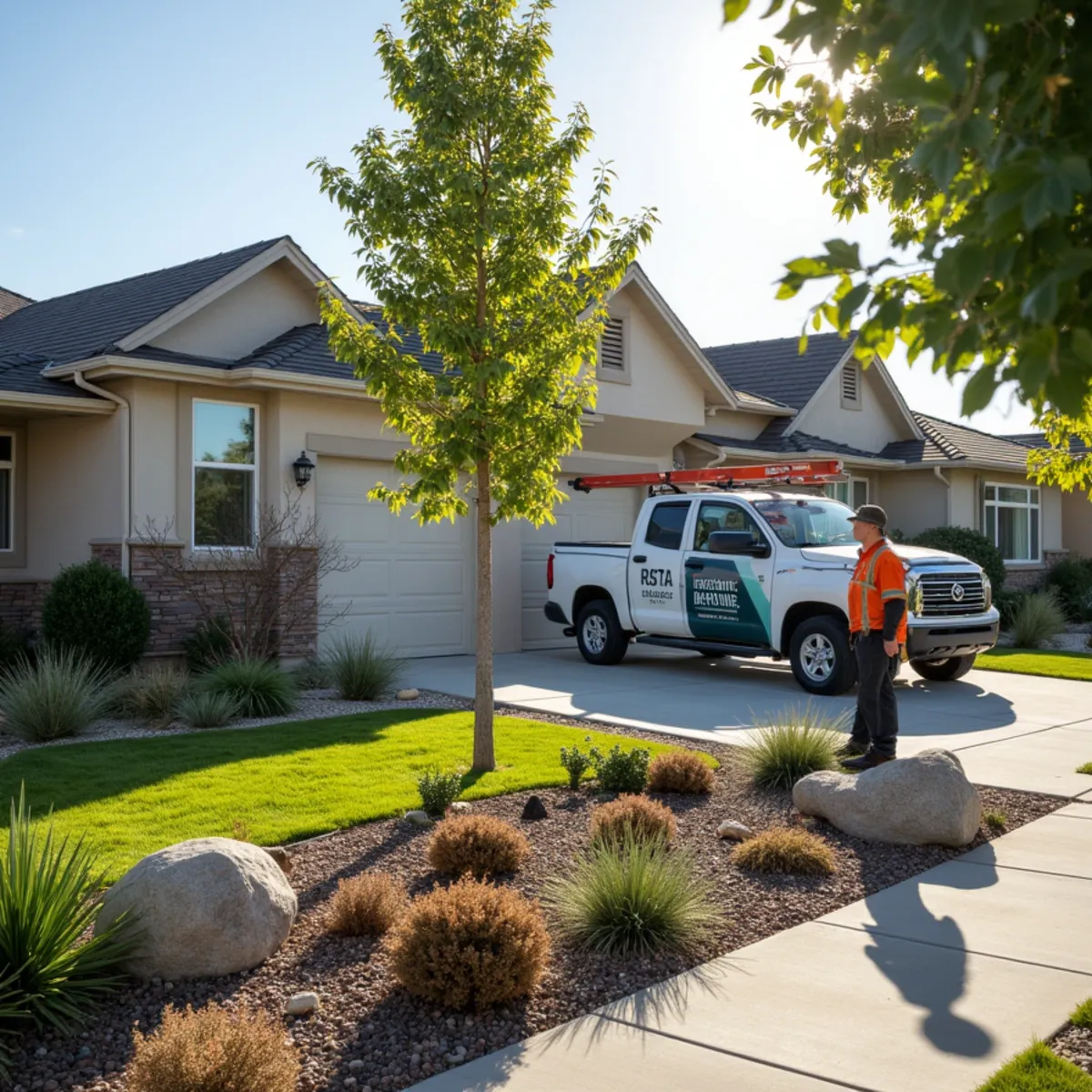
Every summer, Nevada homeowners watch their water bills climb to keep turf alive in a climate that never wanted a lawn in the first place. Xeriscaping — replacing thirsty grass with decorative rock, drought-tolerant plants, and efficient drip — is the obvious answer, but people reasonably want to know: how much do you actually save? Let's be realistic about the numbers.
Where the water goes
Outdoor irrigation is the single largest water use for many Nevada households, especially in summer, and traditional turf is the thirstiest thing in most yards. Grass demands frequent, heavy watering to survive our heat and long dry stretches — and in a windy, high-evaporation climate, a lot of sprinkler water never reaches the roots at all.
That's why the biggest lever you can pull on your water bill is usually the lawn.
The savings are real — and compound with drip
Replacing turf with drought-tolerant plantings sharply reduces outdoor water use because the new landscape simply needs far less water. Pair it with drip irrigation and the savings compound: the EPA reports that microirrigation can use 20 to 50 percent less water than conventional sprinklers, since water goes straight to the root zone instead of evaporating or drifting.
Your actual savings depend on how much turf you convert, plant choices, and how the controller is set — which is exactly why we tune the system after planting rather than leaving it on a generic schedule.
Beyond water: time and money
Water is only part of the return. A xeriscape all but eliminates mowing and slashes fertilizer, and reduces the wear-and-tear costs of running a thirsty system all summer. Many homeowners find the reclaimed weekends as valuable as the lower bill.
There's a wildfire benefit too: thoughtful plant spacing and rock zones near the home support defensible space, so a water-wise yard can also be a safer one.
Getting the biggest return
The smart way to convert is to start with your highest-cost, lowest-use turf — the front strip you never walk on, the side yard, the far corners. Convert those first and you capture the biggest savings for the least disruption, then expand from there.
Pacheco Enterprises LLC designs and installs water-wise xeriscapes with efficient drip across Carson City and Fernley. Call (323) 606-0255 to start with the areas that'll save you the most.
Pro insight: convert the highest-cost turf first
The smartest xeriscape conversions we do don't start with the whole yard — they start with the turf that costs the most and gets used the least. The front strip nobody walks on, the side yard, the far corners: converting those first captures the biggest water savings for the least disruption and the fastest payback.
It also lets you keep a small, intentional patch of real lawn where it earns its water — a play area or gathering spot — while everything else goes low-water. That targeted approach beats an all-or-nothing gravel yard both in savings and in how the finished landscape actually looks and lives.
- Start with high-cost, low-use turf: front strips, side yards, corners
- Keep a small real-lawn area only where it's genuinely used
- Pair rock and drought-tolerant plants with drip for compounding savings
- Group plants by water need so the drip zones run efficiently
The bottom line
Xeriscaping's savings are real, and the smartest way to capture them is to start with your highest-cost, lowest-use turf and expand from there — keeping a small real lawn only where it earns its water.
Pacheco Enterprises LLC designs and installs water-wise xeriscapes with efficient drip across Carson City and Fernley. Call (323) 606-0255 to start with the areas that'll save you the most.
Frequently Asked Questions
Yes. Turf is typically the thirstiest part of a yard, so replacing it with drought-tolerant plantings and drip meaningfully reduces outdoor water use. The EPA reports microirrigation alone can use 20–50% less water than sprinklers; converting the lawn on top of that adds more.
Turf is typically the thirstiest thing in a yard, so converting it sharply cuts outdoor water use — and drip adds more (the EPA reports microirrigation can use 20–50% less than sprinklers). Actual savings depend on how much you convert and your controller settings.
No. Many homeowners keep a small, well-used lawn and convert only the high-cost, low-use areas. That targeted approach captures most of the savings while keeping the yard livable.
Related services & areas