Plenty of enthusiastic planting projects in the Carson basin fail for the same reason: the soil. Between hard caliche subsoil layers and highly alkaline earth, our ground fights back against roots, drainage, and nutrient uptake. Dayton and the Carson River valley are especially known for tough caliche. But with the right approach, shrubs and trees can absolutely thrive here.
Here's what actually works.
Understanding caliche and alkalinity
Caliche is a hardened layer of calcium carbonate that can sit below the surface like concrete, blocking roots and trapping water so it can't drain. When a planting hole bottoms out on caliche, it becomes a bathtub — water pools, roots suffocate, and the plant declines. Alkaline soil, meanwhile, has a high pH that locks up certain nutrients (like iron), causing yellowing leaves even when the nutrient is present in the soil.
You can't wish these conditions away, but you can plant around them.
Dig bigger, break through, and drain
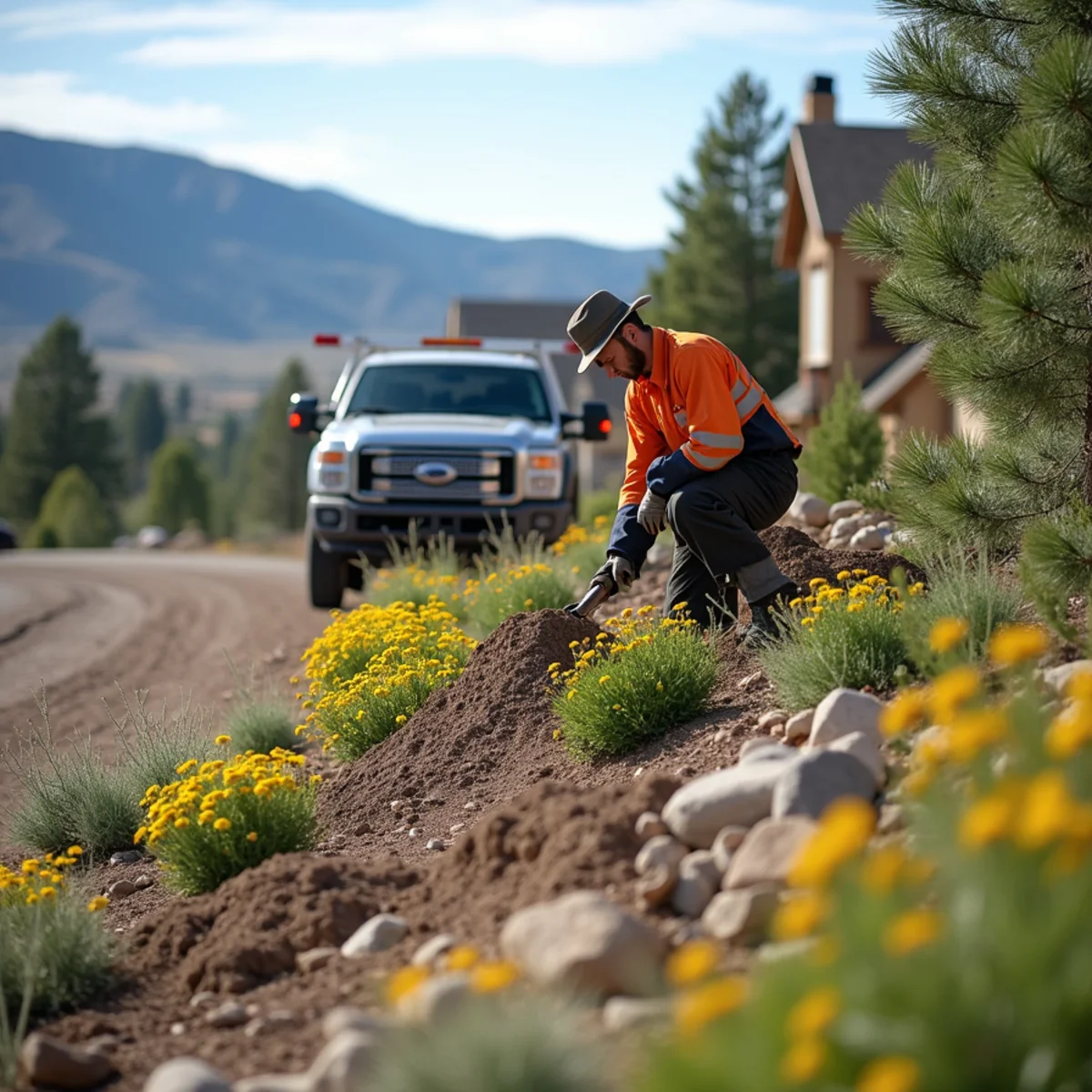
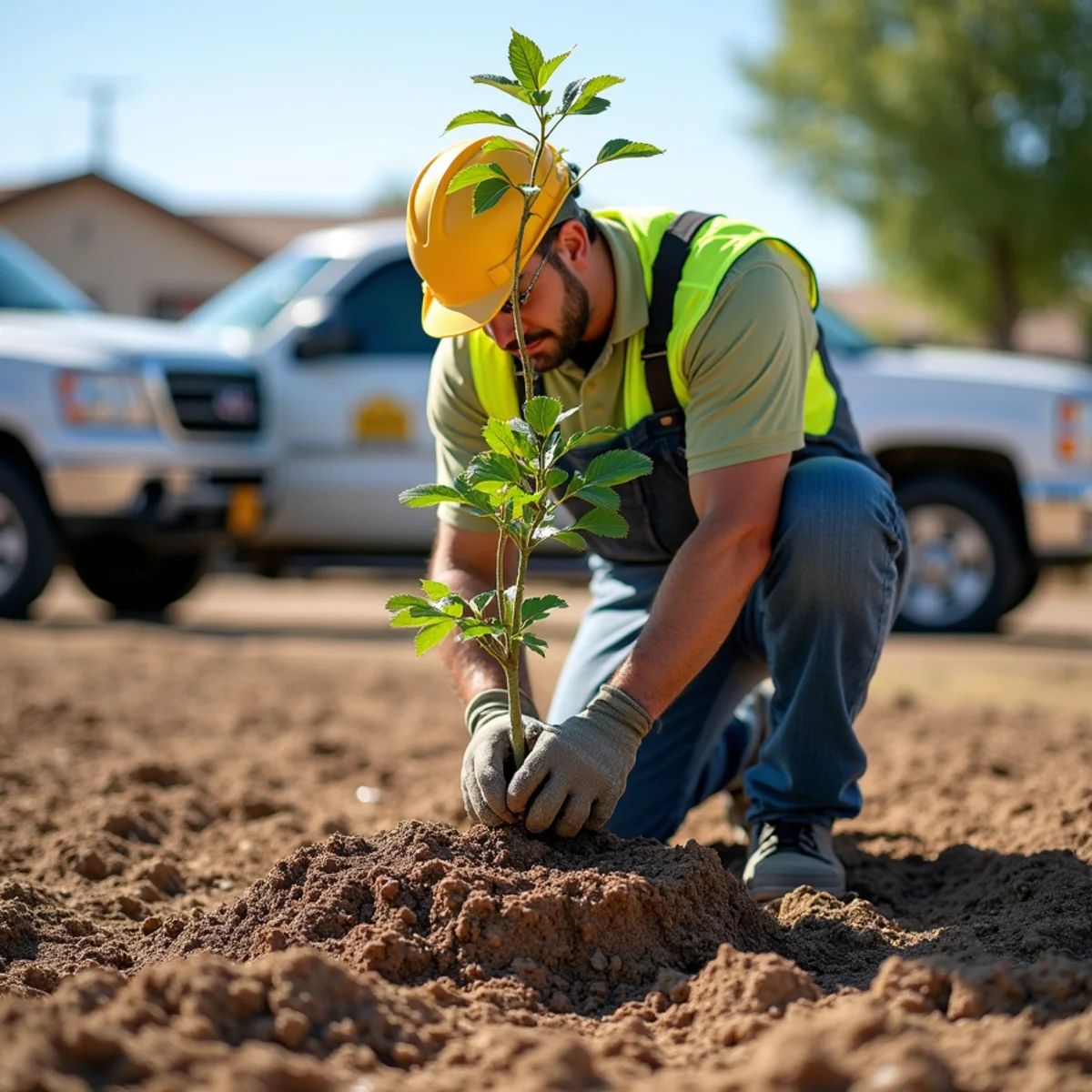
Success starts with the hole. Dig wide, and if you hit a caliche layer, break through it so water has a path to drain — sometimes that means a machine or a breaker bar, which is why mechanized work matters on the worst sites. If you can't fully penetrate the layer, create drainage so the planting hole doesn't hold water.
A hole that drains is the single biggest factor in whether a shrub or tree survives its first years in the Carson basin.
Amend for structure and pH
Backfill with soil improved for structure and drainage, and choose amendments and fertilizers suited to alkaline conditions. Managing pH and providing nutrients in forms plants can actually take up (addressing iron chlorosis, for example) keeps foliage green and growth strong.
Mulch helps too — it moderates soil temperature, holds moisture, and slowly improves the soil as it breaks down.
Choose adapted plants
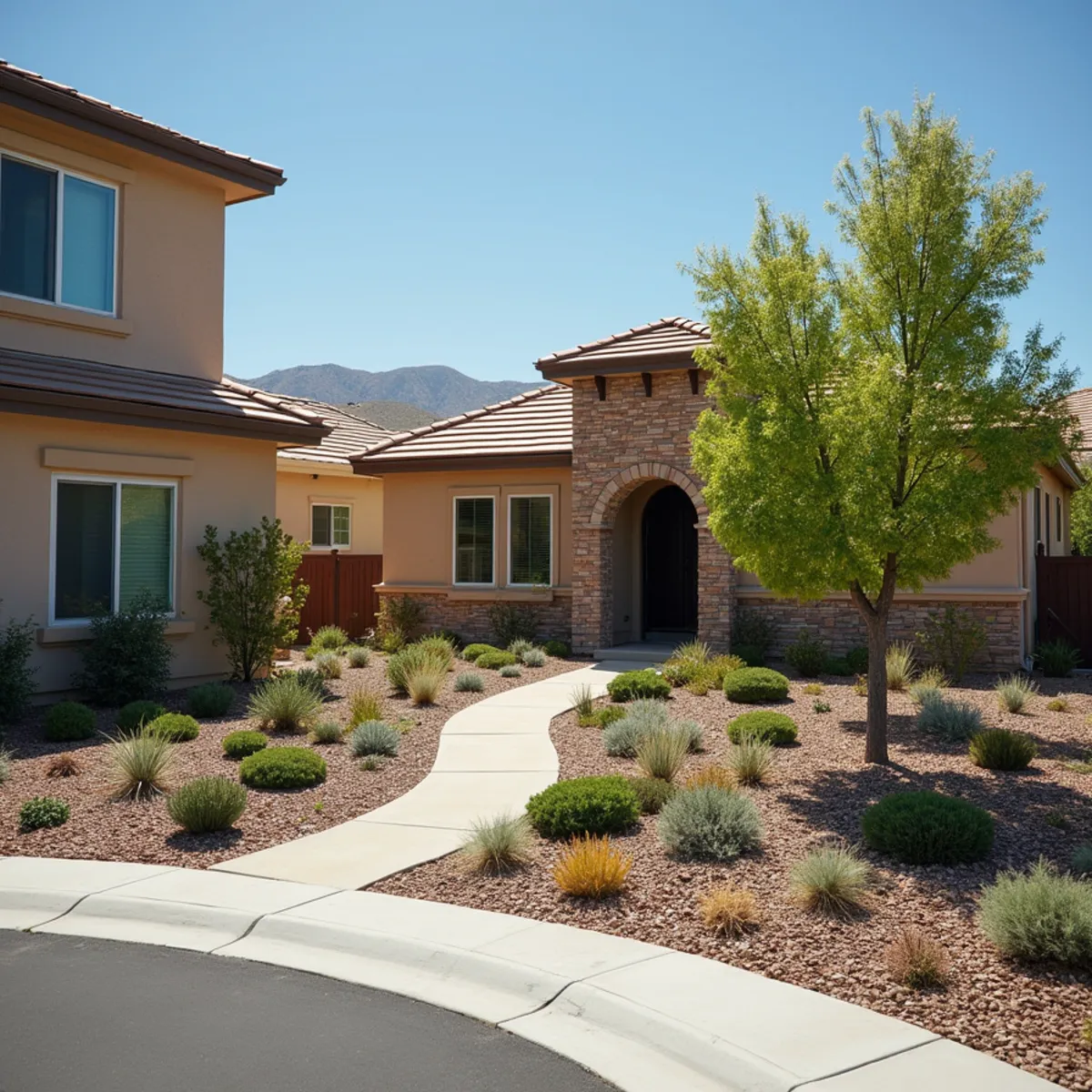
The easiest wins come from choosing species adapted to alkaline, high-desert soils in the first place — natives and proven regional performers that expect these conditions. Fighting the soil to grow a plant that hates it is a losing battle; working with plants that thrive here is a lasting one.
Pacheco Enterprises LLC handles planting, soil work, and drought-smart landscaping across Dayton and Carson City, including the mechanized work caliche demands. Call (323) 606-0255.
Pro insight: the planting hole makes or breaks it
In Dayton and the Carson River valley, we've dug plenty of holes that hit caliche like concrete a foot down. The plants that fail here usually fail for one reason: the hole became a bathtub. Water pooled on the caliche layer, roots suffocated, and the shrub declined no matter how carefully it was watered.
So the whole game is drainage. We dig wide, break through the caliche layer where we can — sometimes with a breaker bar or machine — and if we can't fully penetrate it, we create a path for water to escape. A hole that drains is the single biggest predictor of whether a tree or shrub survives its first years in the Carson basin.
- Dig wide, and break through the caliche layer so water can drain
- If you can't penetrate it, create a drainage path out of the hole
- Amend backfill for structure and manage alkaline pH
- Choose natives and adapted species that expect alkaline soil
The bottom line
Plants fail in the Carson basin when the hole becomes a bathtub. Dig wide, break through or drain the caliche, amend for structure and pH, and choose species that expect alkaline soil — and things thrive instead of struggle.
Pacheco Enterprises LLC handles planting, soil work, and drought-smart landscaping across Dayton and Carson City, including the mechanized work caliche demands. Call (323) 606-0255.
Frequently Asked Questions
Caliche is a hardened calcium-carbonate layer that can sit below the surface like concrete. It blocks roots and traps water, turning a planting hole into a bathtub that suffocates roots. Breaking through it or draining the hole is essential.
High soil pH (alkalinity) can lock up iron, causing yellowing even when the nutrient is present. Managing pH and using the right amendments keeps foliage green — it's a soil-chemistry issue, not just watering.
Natives and adapted species — sagebrush, rabbitbrush, penstemon, ornamental grasses, and hardy shrubs and trees — thrive in our alkaline soils. Fighting the soil to grow a plant that hates it is a losing battle.
Related services & areas