Drip irrigation is the most water-efficient way to keep a Nevada landscape healthy — the EPA reports microirrigation can use 20 to 50 percent less water than sprinklers. But that efficiency depends on tiny emitters delivering precise amounts of water, and tiny openings have a natural enemy in Northern Nevada: hard, mineral-heavy well water. Left unaddressed, clogged emitters starve plants and quietly undermine the whole system.
Here's how to keep a drip system flowing in our water conditions.
Why Nevada water clogs emitters
Much of the region's well water is hard and carries dissolved minerals plus fine sediment. As water passes through drip emitters, minerals can precipitate and build up, and sediment can physically block the openings. Over a season or two, an unfiltered, poorly designed system develops uneven flow — some plants drowning, others dying — and the efficiency advantage evaporates.
Filtration is non-negotiable
The single most important defense is proper filtration at the system head, sized for your water and flow. A good filter catches sediment before it reaches the emitters. On mineral-heavy supplies, pressure regulation also matters — correct pressure keeps emitters operating as designed and reduces stress on the system.
We install filtration and pressure regulation as standard on drip systems here precisely because of our water. Skipping it is a false economy.
Choose the right emitters
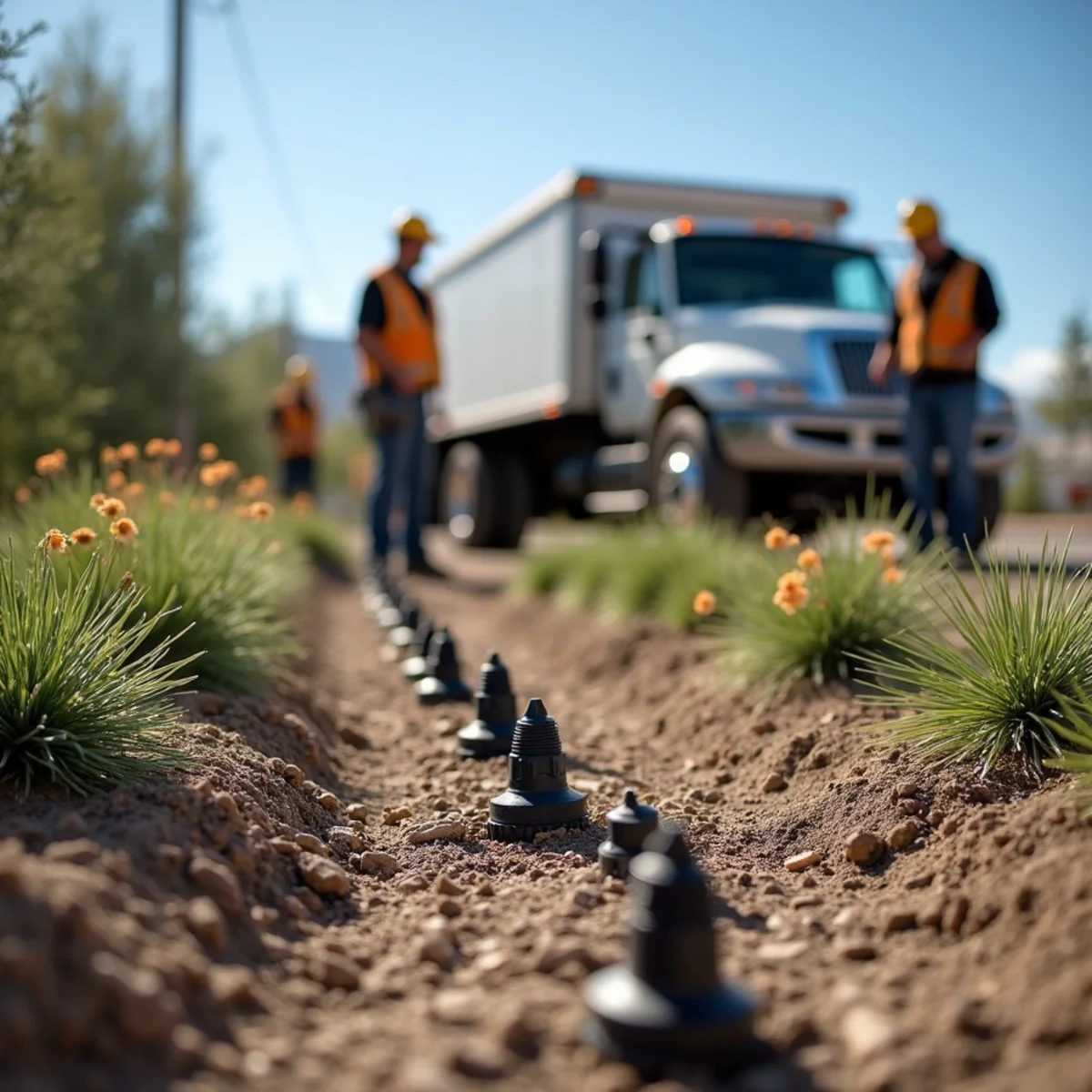
Not all emitters handle hard water equally. Pressure-compensating and self-flushing emitter designs resist clogging better and deliver consistent flow across a zone even with pressure variation. Matching emitter type and flow rate to each plant's needs keeps the system both efficient and healthy.
Good design also means laying out zones and line lengths so pressure stays in range from the first emitter to the last.
Maintenance keeps it flowing
Even a well-built system benefits from periodic maintenance: flushing the lines, cleaning or replacing filters, and checking for clogged or damaged emitters. A quick seasonal service catches problems before plants suffer and keeps your water savings intact.
Pacheco Enterprises LLC designs, installs, and services drip systems built for Northern Nevada water across Johnson Lane, Fallon, and the surrounding area. Call (323) 606-0255.
Pro insight: filtration is cheaper than replanting
The drip systems we're called to rescue almost always have the same missing part: proper filtration at the head. On Northern Nevada's hard, mineral-heavy well water, unfiltered emitters slowly clog, flow goes uneven across a zone, and you end up with some plants drowning and others dying while the system 'runs fine.'
A filter and pressure regulator sized for your water is a small cost that protects the whole planting investment. Pair it with clog-resistant, pressure-compensating emitters and a seasonal flush, and a drip system keeps delivering the 20–50% savings it's capable of instead of quietly failing.
- Install filtration and pressure regulation sized for your water
- Choose pressure-compensating, self-flushing emitters for hard water
- Flush the lines and clean the filter each season
- Watch for uneven plant health — the first sign of clogging
The bottom line
Drip is the most efficient irrigation there is — until hard Nevada water clogs the emitters. Proper filtration, the right emitters, and a seasonal flush keep it delivering its 20–50% savings instead of quietly failing.
Pacheco Enterprises LLC designs, installs, and services drip systems built for Northern Nevada water across Johnson Lane and Fallon. Call (323) 606-0255 to keep your system flowing.
Frequently Asked Questions
That's the classic sign of clogged emitters or pressure loss across the zone — water isn't reaching every plant evenly. Filtration, the right emitters, and a line flush usually fix it.
A seasonal check — flushing lines, cleaning or replacing the filter, and inspecting emitters — keeps flow consistent, especially on mineral-heavy Nevada well water.
Yes. The EPA reports microirrigation can use 20–50% less water than conventional sprinklers because it delivers water to the root zone with minimal evaporation and drift — provided it's filtered and maintained.
Yes. We tie drip into your existing valves and controller, add filtration and pressure regulation sized for our hard water, and reprogram run times. Converting spray zones to drip is one of the most common upgrades we do, and it's where the biggest water savings usually come from on an older system.
Related services & areas