Fall is the ideal time to reset your defensible space. The season drops a fresh layer of pine needles and dead material right as vegetation goes dormant, and getting ahead of it now means a cleaner, safer property through winter and a head start on next year's fire season. For homes in Genoa, Kingsbury, and the Sierra front, an annual fall audit is one of the smartest habits you can build.
Here's how to work through it.
Clear needles and litter from the structure
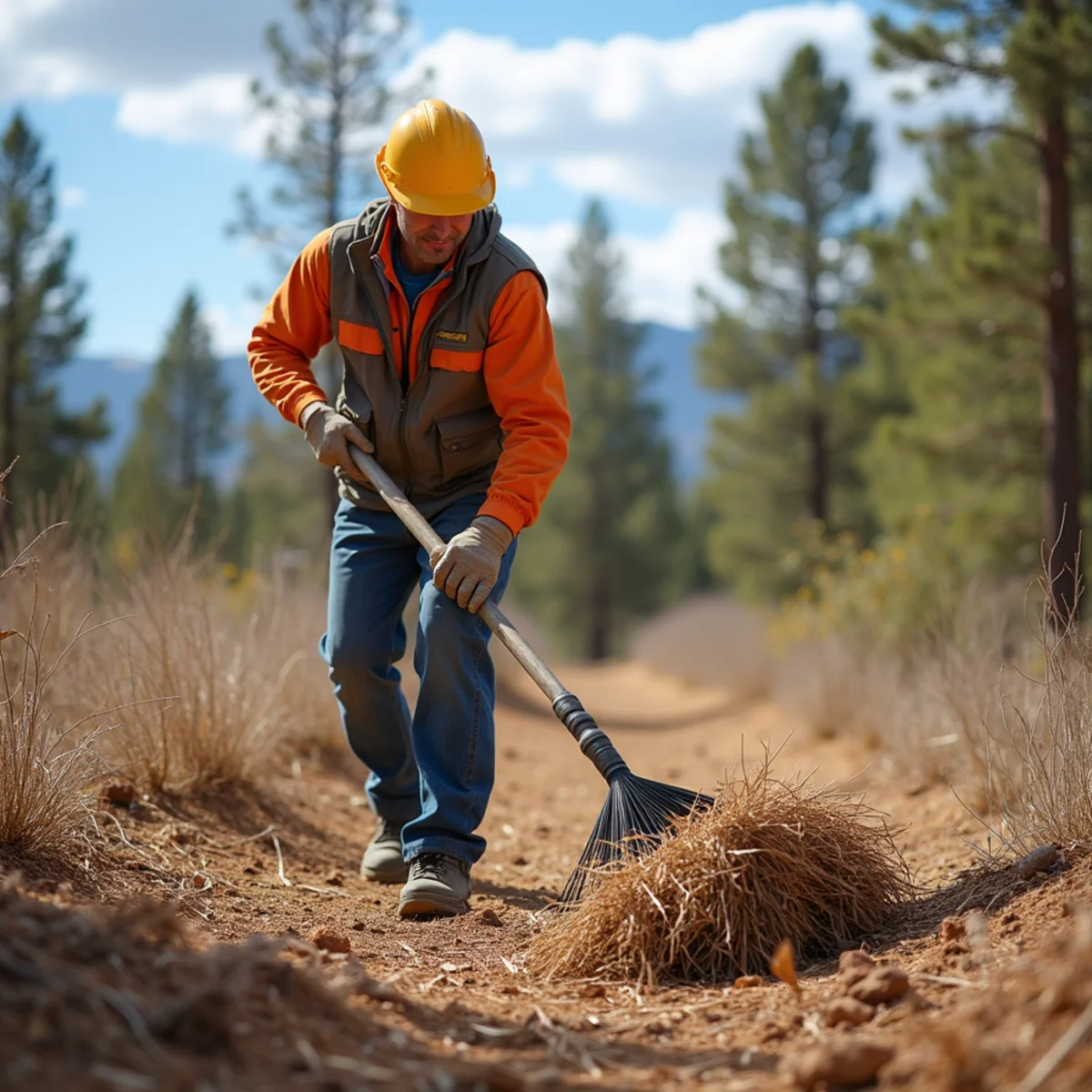
Start at the house. Pine needles and leaf litter collect in gutters, on roofs, in valleys, on decks, and against the foundation — exactly where wind-driven embers ignite. Clear all of it. This immediate zone is the highest-value area to keep clean, because embers destroy more homes than the fire front does.
Don't forget under decks and in the gaps where debris hides. Those are common ignition points people overlook.
Reset the buffer zones
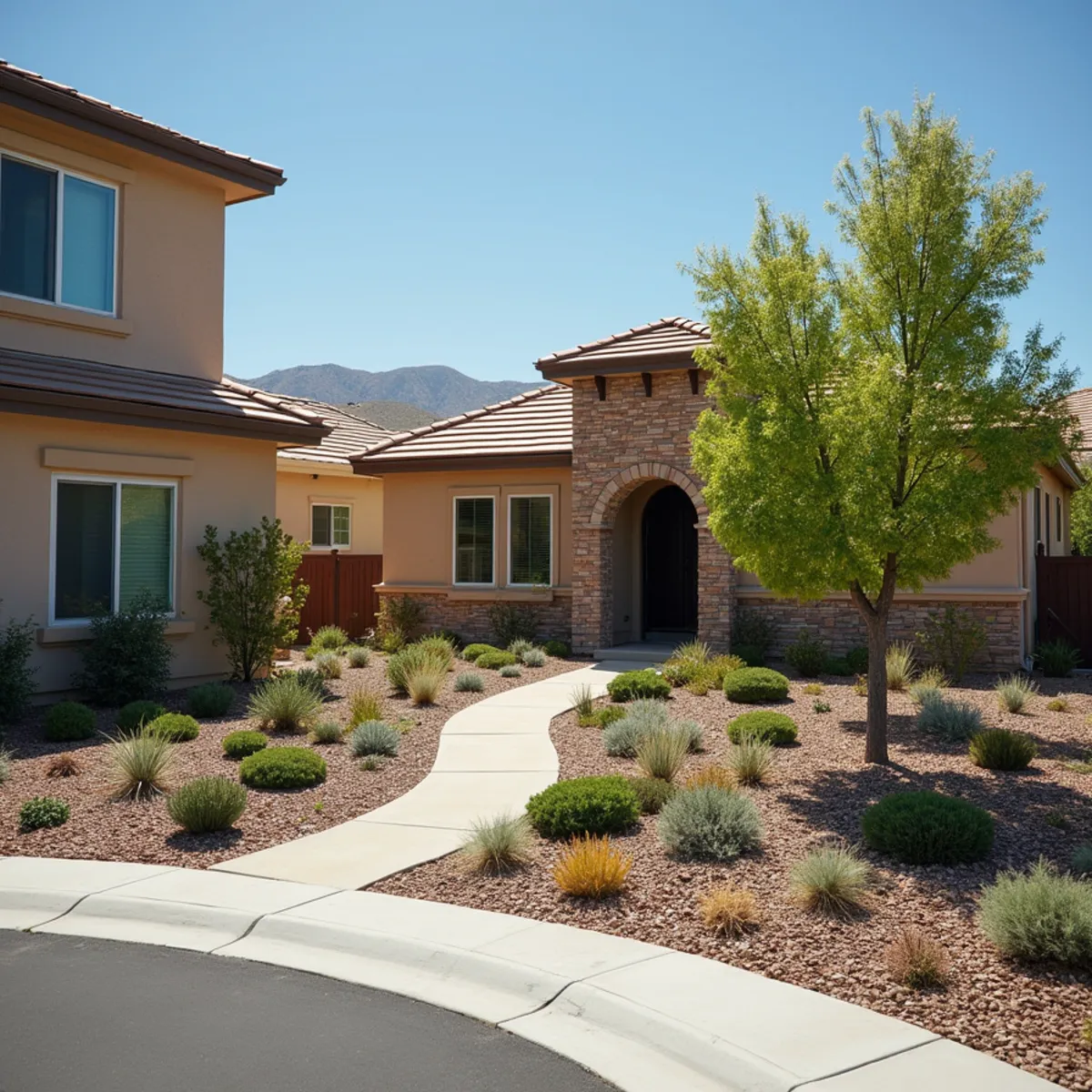
Work outward and re-establish separation. In the intermediate zone (out to about 30 feet), space shrubs and tree canopies, remove ladder fuels — the low branches and understory that let fire climb — and clear accumulated dead vegetation. In the extended zone beyond that, thin fuels and remove dead material to reduce the intensity of an approaching fire.
On steep lots, give extra attention to the downhill side, since fire moves faster uphill toward the home.
Handle the material properly
Cleared fuels have to leave the property. A brush pile stacked in the back corner is still a hazard — and in some areas, a code issue. Haul it off or arrange proper disposal so the fuel is genuinely gone.
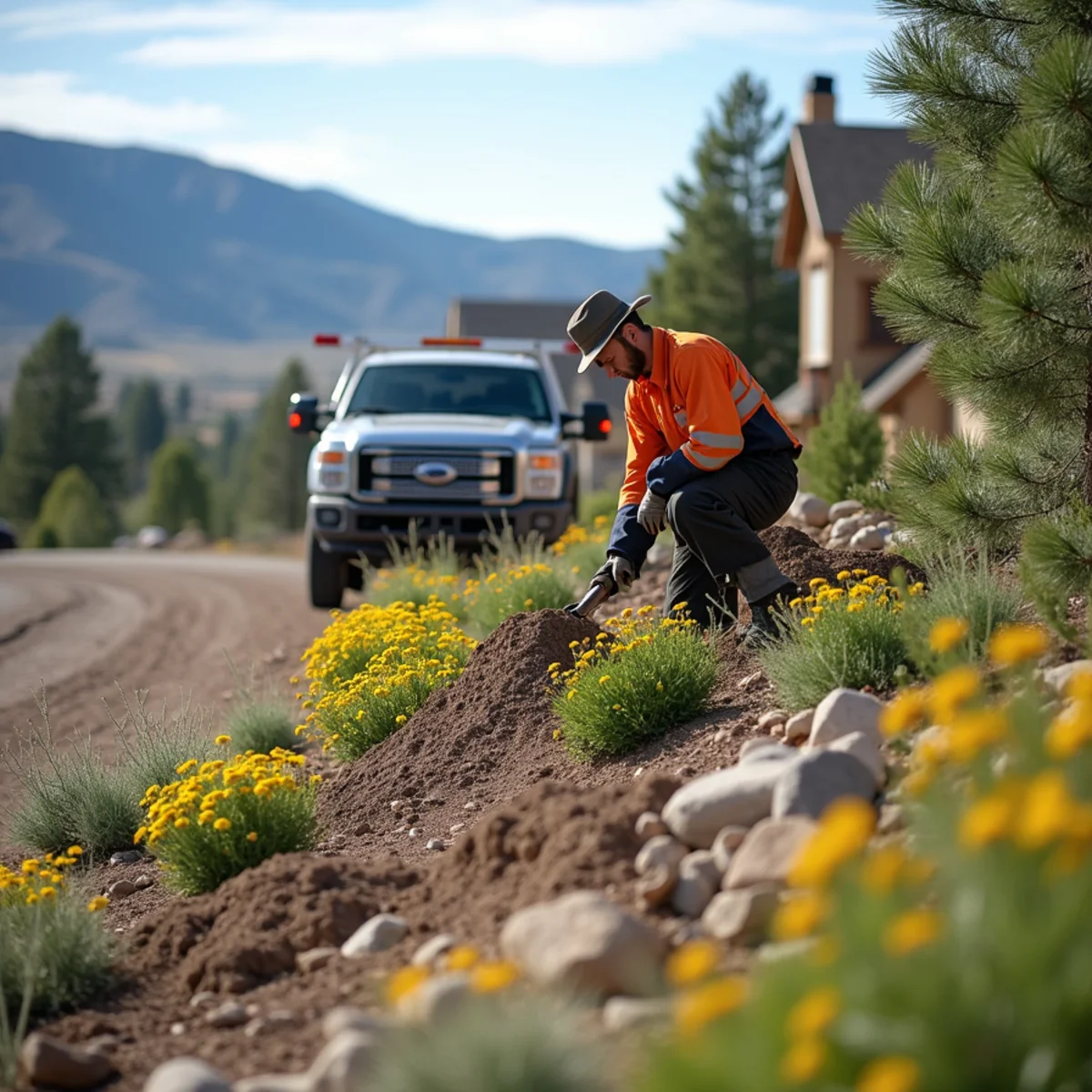
This is where a crew earns its keep: clearing, thinning, and hauling a full lot's worth of fall fuels is a big job to do by hand.
Make it an annual habit
Defensible space isn't one-and-done; vegetation grows back and needles fall every year. An annual fall audit keeps your buffer zones effective and spreads the work out instead of facing an overgrown lot when fire season arrives.
Pacheco Enterprises LLC provides defensible space fuels reduction and can set up recurring seasonal maintenance across Genoa, Kingsbury, and the foothills. Call (323) 606-0255 for a fall audit.
Pro insight: fall is when the fuel arrives
Fall is the sneaky season for defensible space because it delivers fresh fuel right as everyone stops thinking about fire. Pines drop needles into gutters, roof valleys, and the base of the house exactly when attention drifts to winter. We run fall audits in Kingsbury and Genoa precisely because that new litter is where next year's embers will land.
The work also spreads the load. Clearing a full lot in one panicked pass before a fire is brutal; an annual fall audit keeps the buffer zones effective and turns fuels reduction into routine maintenance instead of an emergency.
- Clear needles from gutters, roof valleys, decks, and the foundation
- Re-establish spacing between shrubs and tree canopies
- Remove ladder fuels and accumulated dead vegetation
- Haul the material off — a brush pile is still a hazard
The bottom line
Fall delivers fresh fuel right as attention drifts to winter, which is exactly why an annual fall audit works — clear the litter at the house, reset your buffer zones, and haul the material off so it isn't a hazard.
Pacheco Enterprises LLC provides defensible-space fuels reduction and recurring maintenance across Genoa, Kingsbury, and the foothills. Call (323) 606-0255 for a fall audit.
Frequently Asked Questions
Fall drops a fresh layer of pine needles and dead material right as vegetation goes dormant. Clearing it then means a safer property through winter and a head start on next year's fire season.
Most often in accumulated litter — gutters, roof valleys, under decks, and against the foundation. That immediate zone is the highest-value area to keep clear.
Yes. Vegetation regrows and needles fall every year, so we can schedule an annual pass to keep your buffer zones effective around Genoa, Kingsbury, and the foothills.
No. Defensible space is about spacing and fuel reduction, not clear-cutting. We thin and space trees, remove ladder fuels and dead material, and limb up canopies so fire can't climb — while keeping healthy, well-placed trees that don't threaten the home.
Related services & areas